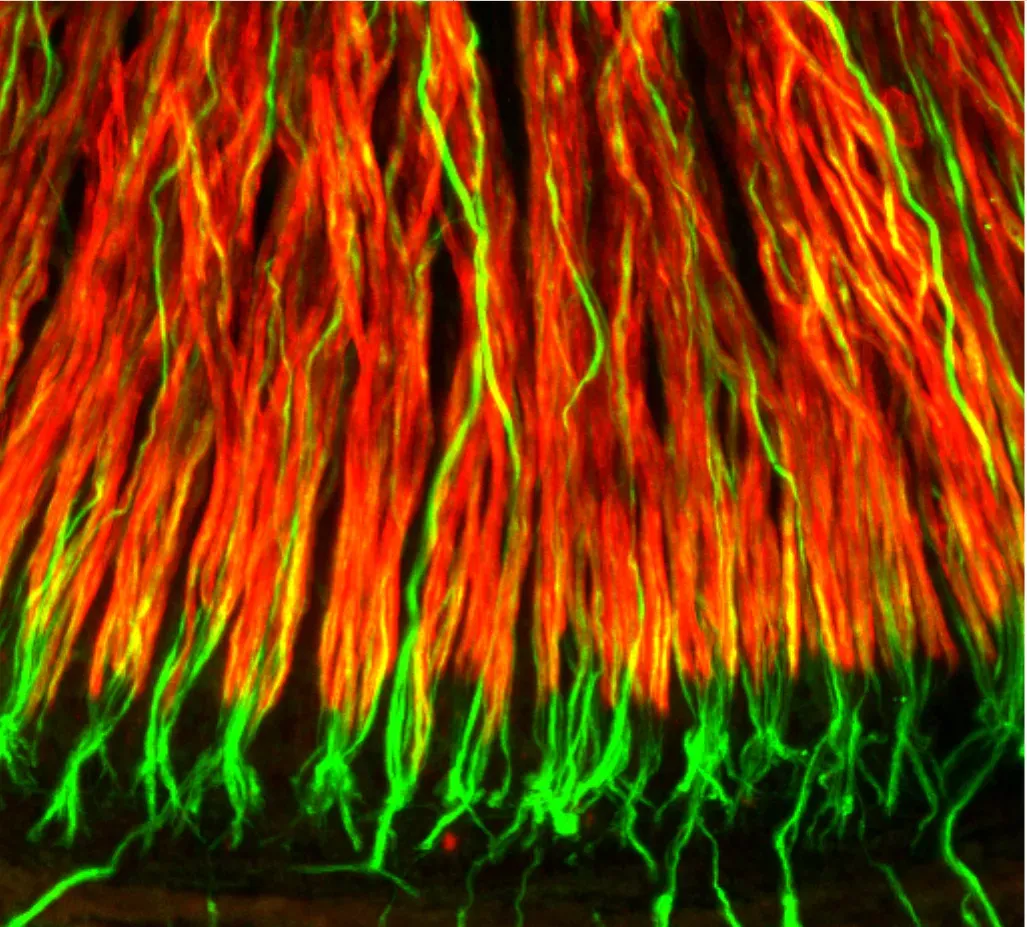
Exploring Ion Channels and Disease
Welcome to Huth Lab, a dedicated scientific research group at Friedrich-Alexander-Universität Erlangen-Nürnberg. Our focus is on unraveling the complexities of ion channels, biophysics, and BACE1 membrane proteases, and their implications in diseases such as Alzheimer's, epilepsy, and arrhythmia. Our other focus is using state-of-the-art computing tools to unravel gating processes in ion channels.
Join us on our journey to advance scientific knowledge and improve health outcomes.
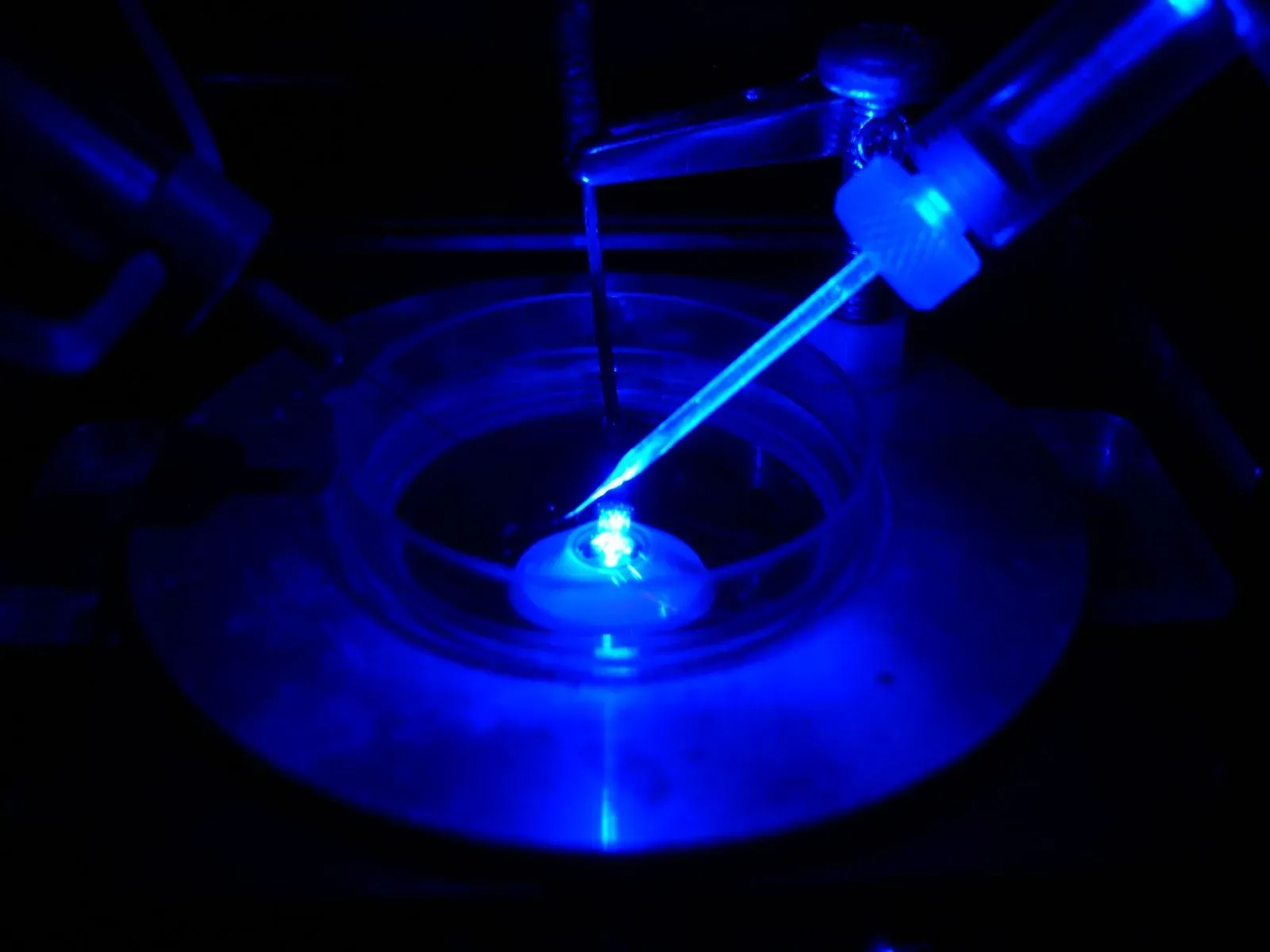
Unlocking riddles in biophysics through electrophysiology, modeling and light
Our research topics
Ion Channel Physiology and Regulation
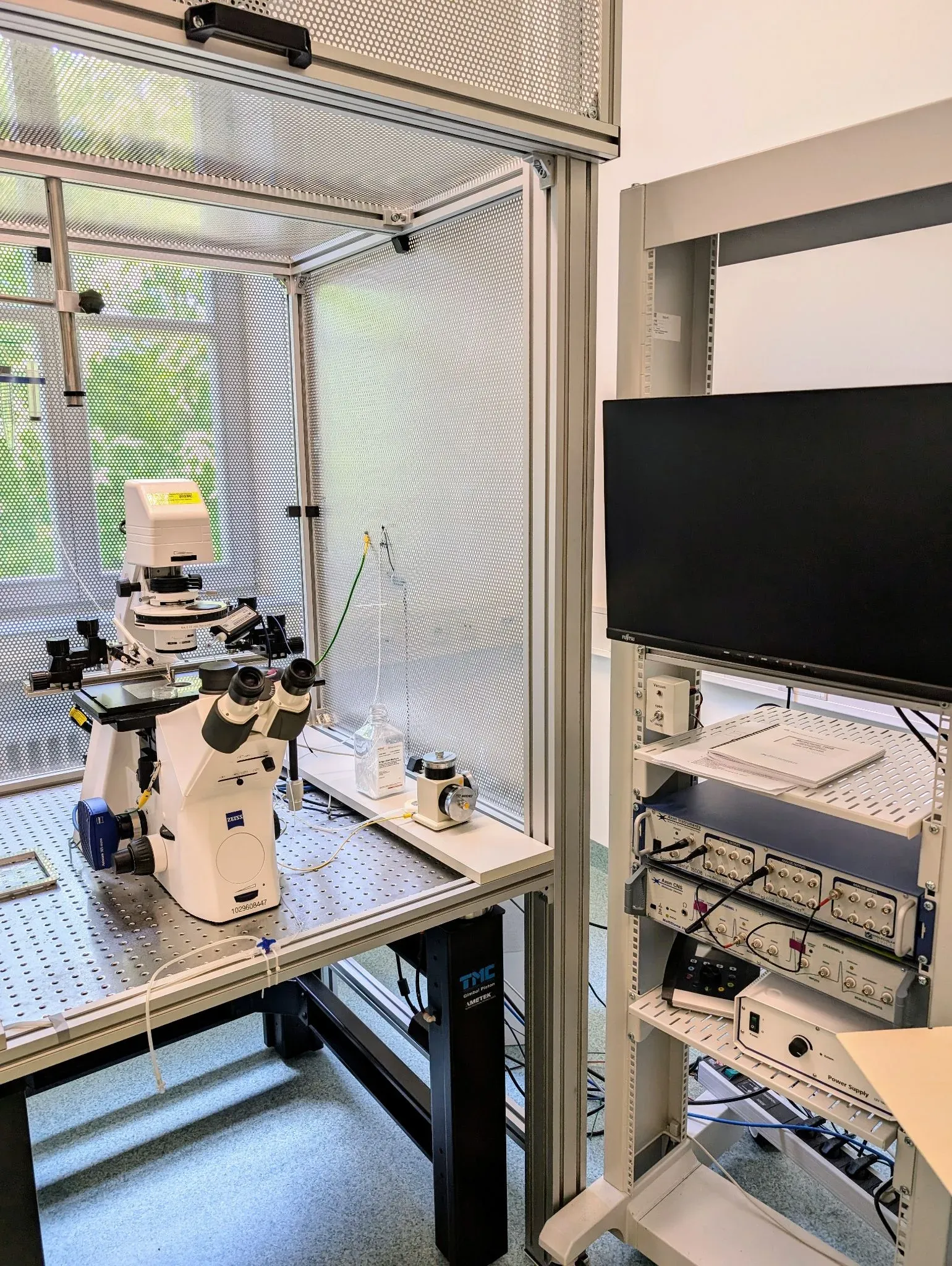
Our group investigates the biophysical properties and regulatory mechanisms of voltage-gated sodium and potassium channels in neurons and heart. By employing advanced electrophysiological techniques like single-channel patch-clamop, we explore how these channels contribute to neuronal excitability and signaling, and how their function is altered in health and disease.
We focus on understanding putative beta-subunit like proteins that regulate ion channel function - this started with the protease BACE1 and now continues with iFGF factors that are implicated in altering sodium channel function. Understanding these interactions can lead to more targeted interventions, better drug targets for altering excitability in the future and also reveals pathologic mechanisms leading to epilepsy and related disorders of excitability.
Role of BACE1 in Neurodegeneration
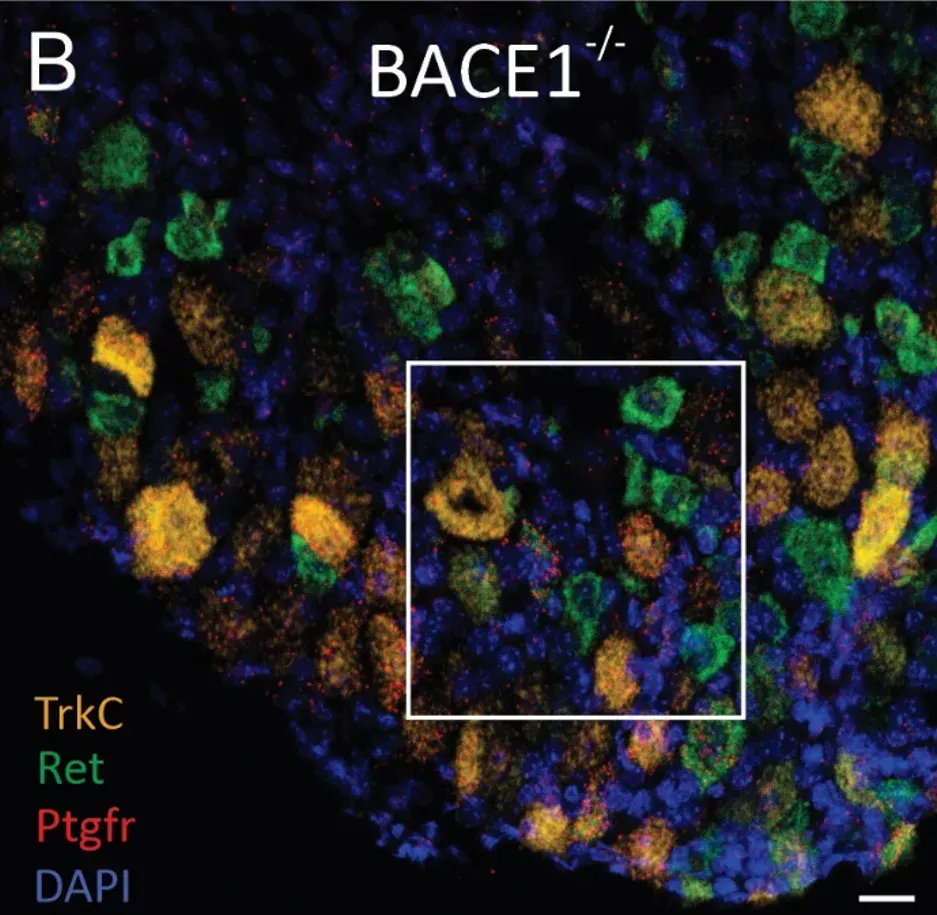
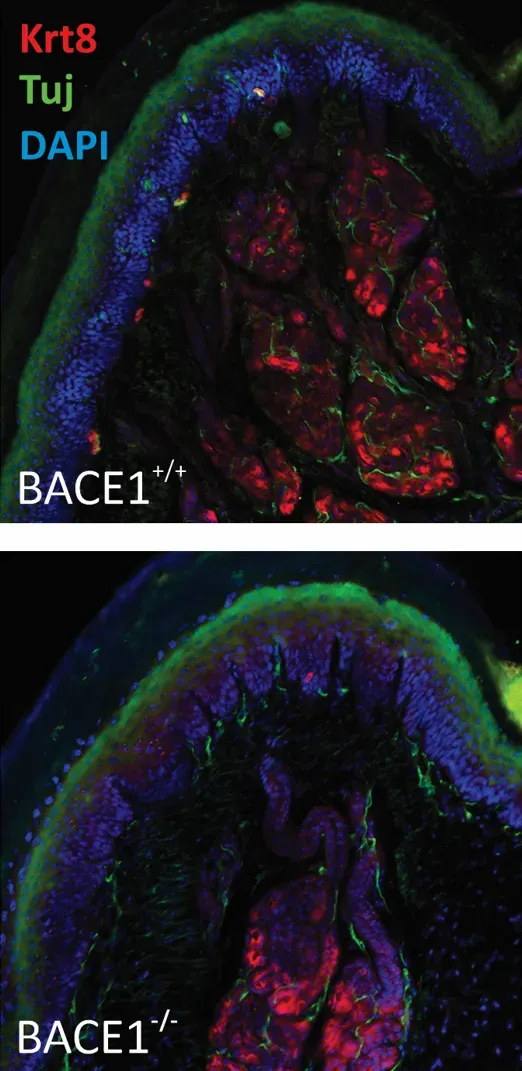
A significant focus is placed on the Alzheimer’s disease-related protease BACE1, examining its physiological functions beyond amyloid precursor protein processing. Our team studies how BACE1 modulates ion channel activity and neuronal function, providing insights into its broader role in neurodegenerative processes. Our work extends into the somatosensory system, BACE1s developmental role and the impact of BACE1 knockout on neuronal homeostasis.
Advanced Computational and Optical Methods
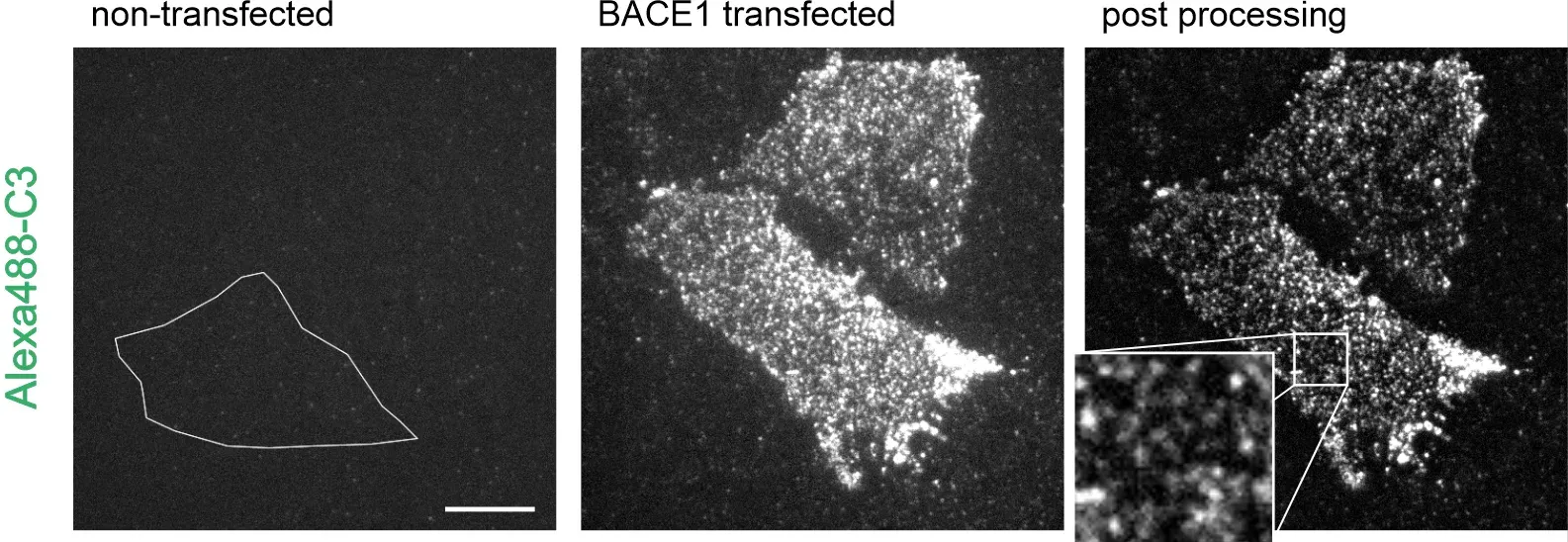
To unravel complex mechanisms governing ion channel function our group develops and applies cutting-edge computational approaches, including deep neural networks and high-performance simulations. These tools, combined with time-resolved optical techniques like TIRF microscopy enable rapid, high-resolution analysis of electrophysiological data and facilitate the discovery of new molecular interactions. We are especially interested in ion channel simulations using Markov Models and analyzing complex time series of single channel patch clamp data with novel deep learning and general computational methods.
Gallery
Exploring the Frontiers of Biophysics at Huth Lab
Our Expertise in Ion Channels and Biophysics
At Huth Lab, located at the Institute of Physiology and Pathophysiology in the Friedrich-Alexander-Universität Erlangen-Nürnberg, we are dedicated to advancing the field of biophysics with a specialized focus on ion channels and membrane proteases. Our team of researchers is committed to understanding the intricate mechanisms that govern cellular functions and their impact on diseases such as epilepsy, Alzheimer's, and arrhythmias. By employing cutting-edge techniques and state-of-the-art computing, we aim to unravel the complexities of these critical biological components.
Want to collaborate?
We are always more than happy to work with innovative researchers and companies in the fields of electrophysiology, neuroscience and ion channel research.
Want to start working with us?
We are currently searching for motivated Bachelors or Masters students from Life Sciences, Medical Engineering or Computer Science. Additionally, medical students are always welcome for their MD thesis.
Want to learn more? Reach out to us via Mail.
Frequently Asked Questions
Where can I find recent publications?
You can find all of our latest research by visiting this site.
Where can I find the compuitational research tools for biophysical modeling?
You can stay updated in the development by visiting the following GitHub page. A more user-friendly GUI is currently in development for extracting Markov Models from ion channels.
I want to work with fluorescent BACE1 inhibitors or need a plasmid you used. How can I obtain such material?
Great that you find our research useful, we are definitely willing to share material, protocols and data upon request via mail. We will get back to you as quickly as we can.
Team
Tobias Huth
Tobias is the principal investigator of our group. He studied physics and medicine at the CAU Kiel, is a lecturer for medical and life science students and is working on both computational biophysics and ion channel regulation using a diverse array of optical and electrophysiological techniques.
Sarina Höller
Sarina is our senior PhD student. She studied Molecular Medicine in Erlangen. She specializes in sensory neuroscience using behavior experiments in conjunction with electrophysiology using patch-clamp and confocal microscopy.
Efthymios Oikonomou
Efthymios is a medical engineer by training with a strong focus on computer science, machine learning and biophysical modeling. He develops approaches to quantify single-channel patch-clamp data with Markov models.
Alexander Möhwald
Alex is a medical doctor and has been working in the lab since his MD thesis. He specializes in KCNQ channels and their interaction with membrane domains and BACE1 as a ion channel subunit. He is our expert for single molecule optical measurements, TIRF microscopy and modeling of stoichiometries of molecular complexes.
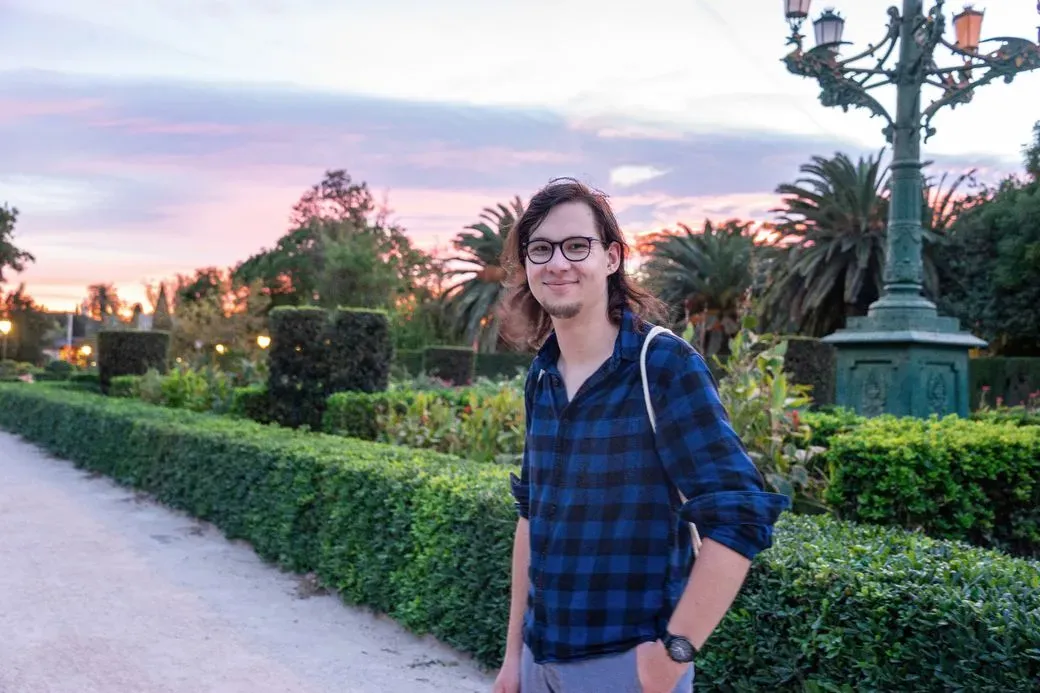
Paul Wagner
Paul is a PhD student that studied Molecular Medicine in Erlangen and is working on sodium channel currents. He is especially interested in resurgent sodium currents, single-channel measurements and design of novel peptide drugs targeting NaV channels.
Leonid Menz
Leonid is an MD student working on the interaction of KCNQ channels and BACE1 with an emphasis on intracellular regulation by kinases.
Hannah Heininger
Hannah is an MD student working on in-vivo mouse EEGs, mouse behavior and EEG patterns in sleep.
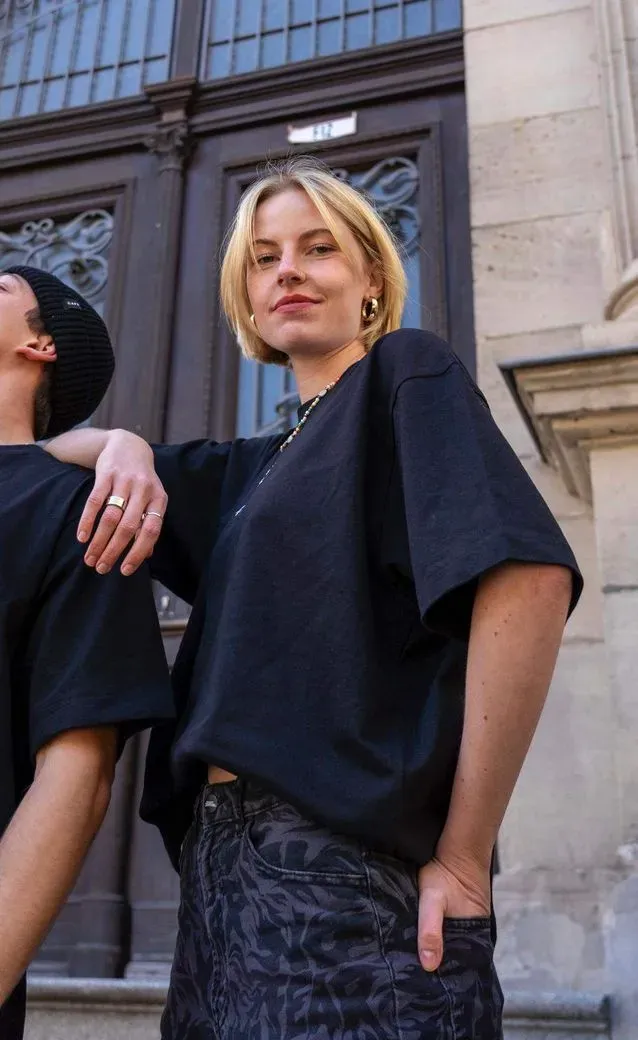
Daria Wenkel
Daria is an MD student who is working on sensory neuroscience of dorsal root ganglion neurons with advanced labeling and optical techniques.
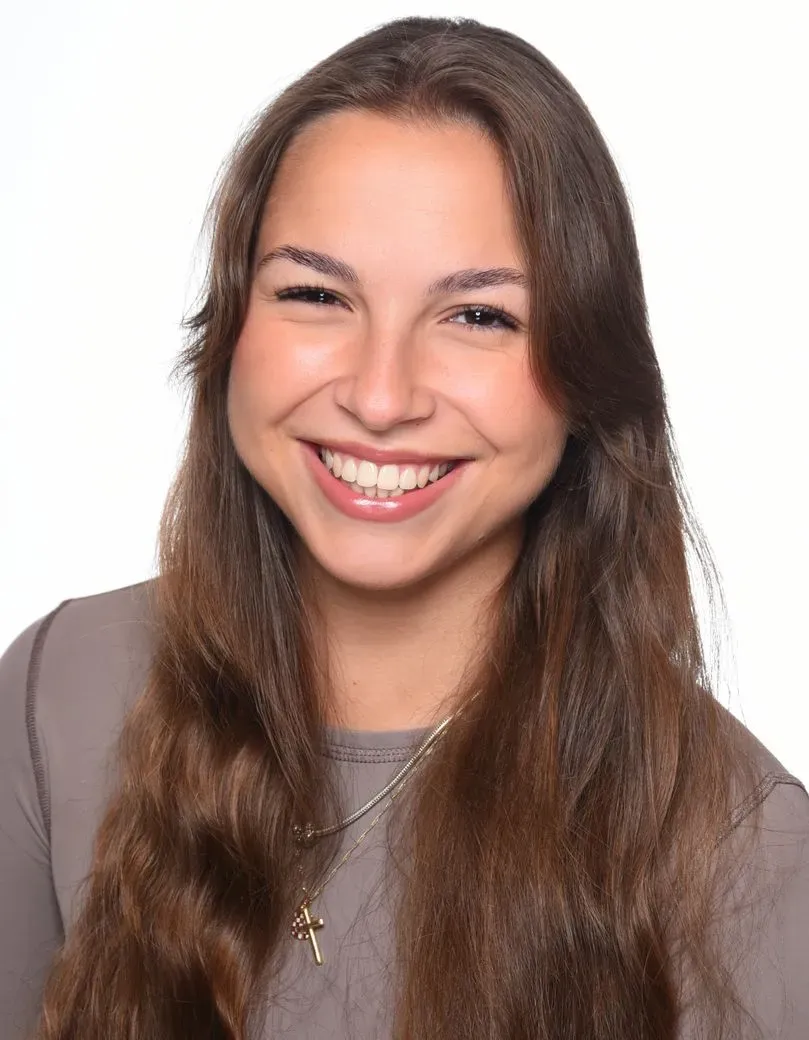
Julijana Puric
Julijana is an MD student working on behavioral experiments centered around perception of touch complemented by cutting-edge MRI labeling.
Linda Kern
Linda is an MD student working on the physiology of the MaxiK channel and its interaction with several drugs. She specializes in single channel patch clamp.
Sophia Wallner
Sophia is an MD student working on the regulation of the cochlea and hearing ability by BACE1 using a diverse set of techniques from histology to sensorineural tesing.